Diabetic Foot Wounds
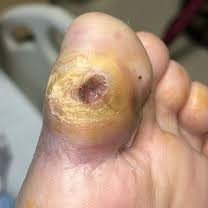
Open sores on the feet caused by nerve damage and reduced circulation from diabetes. These wounds often develop from unnoticed pressure or minor injuries.
Evidence-based treatment for diabetic foot ulcers, venous stasis ulcers, arterial ulcers, and non-healing surgical wounds.
Monitoring, dressing protocols, infection control, and coordination with your surgical team for safe healing at home.
Prevention and treatment plans including offloading, positioning, and appropriate dressing selection.
Assessment-driven debridement, moisture balance, compression therapy, and advanced dressing selection.
Specialized in advanced wound care across home and facility settings.
Open sores on the feet caused by nerve damage and reduced circulation from diabetes. These wounds often develop from unnoticed pressure or minor injuries.
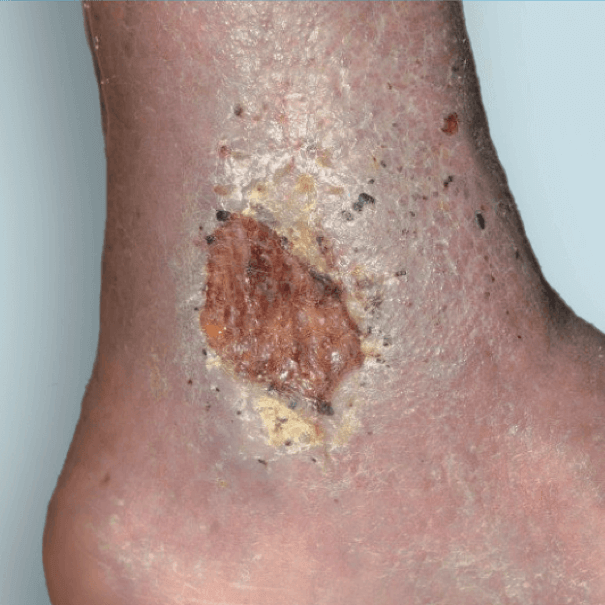
Wounds caused by poor blood return in the legs, leading to fluid buildup and skin breakdown. They commonly appear near the ankles with surrounding swelling or discoloration.
Skin and tissue damage caused by prolonged pressure, often over bony areas. More advanced stages involve open wounds or deeper tissue injury.
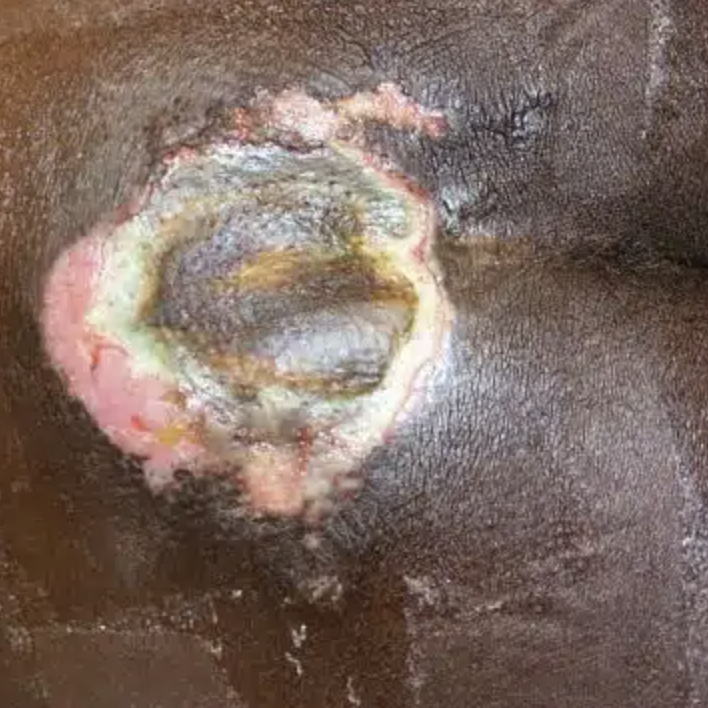
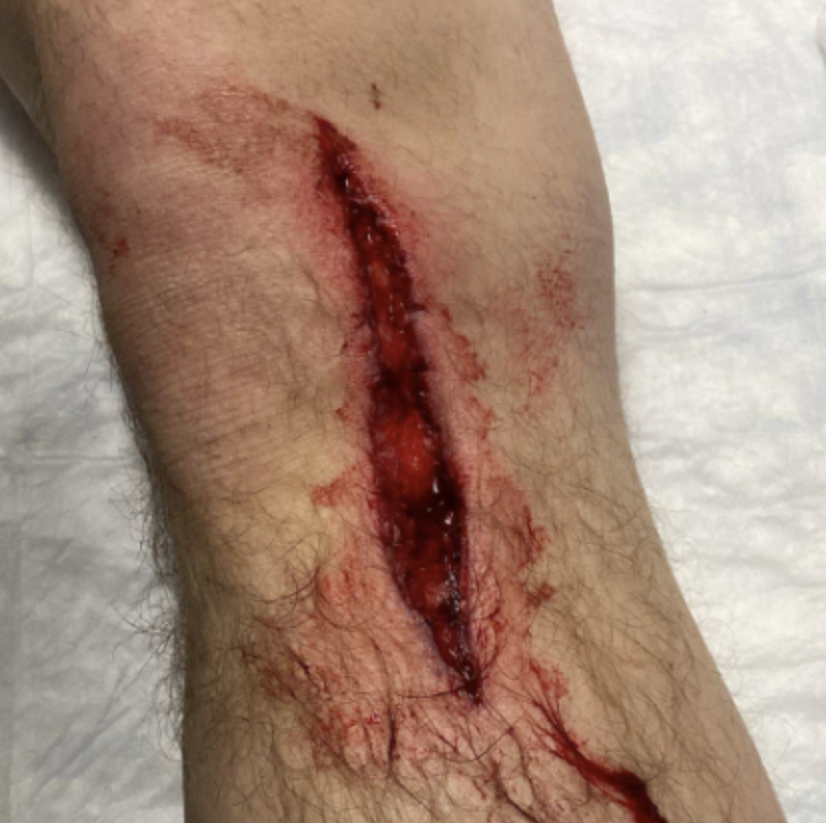
Wounds resulting from physical injury such as cuts, falls, impacts, or accidents. These wounds can vary in depth and severity and may involve subdermal damage depending on the force involved.
Painful wounds caused by reduced blood flow from narrowed or blocked arteries. They typically appear on the toes, feet, or lower legs.
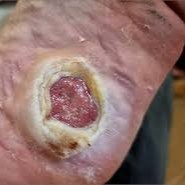
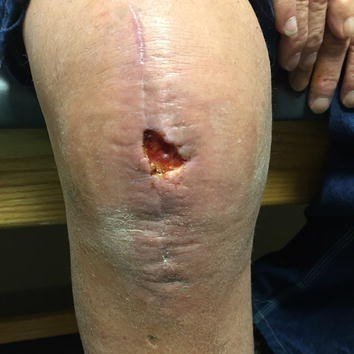
Surgical incisions that fail to close properly after a procedure. Factors such as poor circulation, infection, or underlying medical conditions can prevent normal healing, resulting in a persistent open wound..